
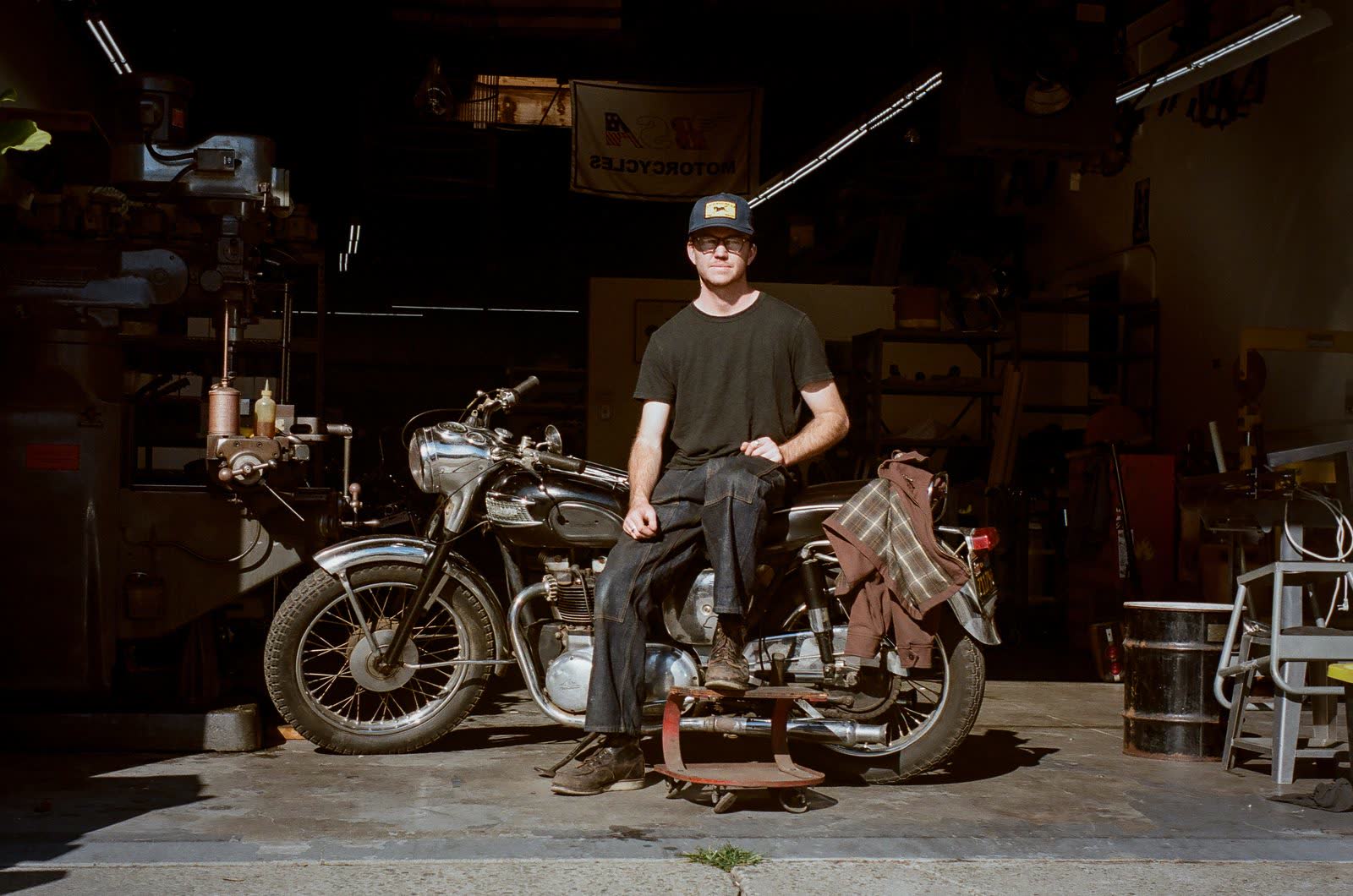
There are two histories of Triumph in America. One is British: the factory in Meriden, the model lineups, the management decisions made in the West Midlands. The other one is mostly Bill Johnson and Pete Colman in a Pasadena storefront, deciding what Triumph was going to be on this side of the Atlantic. That second history is the one that mattered for everything west of the Rockies.
Founding
Bill Johnson opened a small motorcycle storefront in Pasadena in the late 1930s, importing British bikes — Triumphs, BSAs, a few Vincents. By the time World War II broke out he had the exclusive Triumph distribution rights for the eleven western states. The deal was unusual: a single dealer, not a factory branch office, held the entire West Coast import.
After the war, Pete Colman joined Johnson as a partner. Colman ran the day-to-day, ran the race team, and built out the dealer network. Bill Johnson handled the relationship with Meriden and the legal side. The division of labor lasted decades and worked because both men were good at what they did.
The racing program
The decision that turned JoMo from a regional distributor into a cultural force was the factory-backed race team. Colman bet that winning desert races would sell street bikes, and he was right. The team JoMo assembled across the late 1950s and 1960s read like a who-is-who of California motorcycle racing: Bud Ekins, Eddie Mulder, Don Vesco, Skip Van Leeuwen, Cliff Coleman.
They won. Big Bear Run, Catalina Grand Prix, Greenhorn Enduro, every AMA District 37 event that mattered. Triumph TR6Cs in JoMo livery showed up at the start line, finished first, and were photographed in the regional motorcycle press the next day. The advertising wrote itself.
How JoMo shaped the bikes
The other thing the racing program did was give JoMo a credible voice with the factory. When Colman told Meriden that California riders needed a single-carb 650 with high pipes and a small tank, he was not making a marketing pitch — he was reporting field data from the desert racers JoMo paid. The factory listened.
The TR6 Trophy specification, in its American form, was substantially built to JoMo’s requirements. The single Amal. The high pipes. The optional dirt gearing. The Bates seat being available as a factory option in 1968. None of those decisions were made in England without input from Pasadena.
The dealer network
JoMo licensed something like 200 dealers across the eleven western states by the mid-1960s. The network was tighter than most modern brand networks — JoMo set the rules on how to display the bikes, how to service them, what parts to stock. A coherent brand experience across a thousand-mile region, before the term "brand experience" existed.
Most of the Triumphs you will find in the American West today have a JoMo dealer plate riveted somewhere on them. The dealer plates have become collectible objects in their own right. A clean original "Johnson Motors – Pasadena" plate is worth more than you would guess for a piece of stamped aluminum.
The factory built the bikes. JoMo decided which ones got to be American.
The end
The 1970s ended it. Triumph went bankrupt in the second half of the decade, the British motorcycle industry collapsed almost entirely, and the distribution arrangement that had given JoMo the West Coast got reorganized by receivers. Pete Colman retired. Bill Johnson had died years earlier. The Pasadena dealership closed.
The original JoMo storefront on Colorado Boulevard is gone. The building is something else now. The dealer plates remain, the bikes remain, and the influence on what an American Triumph looks like is permanent enough that you can see it on a 2024 Hinckley Scrambler that is reaching for an aesthetic JoMo invented sixty years earlier.
What is left
A handful of enthusiast collectors keep JoMo documentation alive: catalogs, dealer signage, race programs from the 1960s. The Solvang Vintage Motorcycle Museum has some material. Quail Motorcycle Gathering occasionally features JoMo-era Triumphs. Mostly the history lives in the bikes themselves, riveted plates and engine numbers and the specific aesthetic choices that came out of a Pasadena dealership.
When a customer walks into the shop and asks for "an American Triumph" we know what they mean. They mean a 1968 to 1970 TR6C in the Ekins paint, with a JoMo dealer plate if the bike has its original one, in the configuration that Pete Colman would have recognized. The marque was British. The culture was made in Pasadena.