
Every week, someone walks into the shop with a Craigslist printout and the same question: “is this one a good first vintage Triumph?” Sometimes the answer is yes. Often the honest answer is, “it’s a $4,000 bike with $12,000 of work in front of it, and you didn’t sign up for that.” This is the guide we wish more people had read before they got there.
What follows is the actual walk-around we do when a customer brings us a listing, and the honest version of the four questions we get asked most: which model, which year, how much should it cost, and what does “needs a little work” actually mean when it comes out of a private seller’s mouth.
Start with the riding, not the bike
The most expensive mistake first-time buyers make isn’t buying a rough bike. It’s buying the wrong bike for the riding they want to do. A 1962 pre-unit Bonneville and a 1969 TR6C will both light up an Instagram grid. Only one of them is happy commuting twenty miles to work and back. Be honest about what you actually want.
- Weekend canyon and coffee runs: a ’66–’70 T120 unit Bonneville is the sweet spot. Twin carbs, sorted electrics by then, parts everywhere.
- Mostly looks, occasional Sunday: a pre-unit (1959–1962) gives you the magneto, the separate gearbox, the alloy primary chaincase. The most beautiful Triumph twins ever made, full stop. Slightly harder to live with, and that’s fine if it lives in the garage between rides.
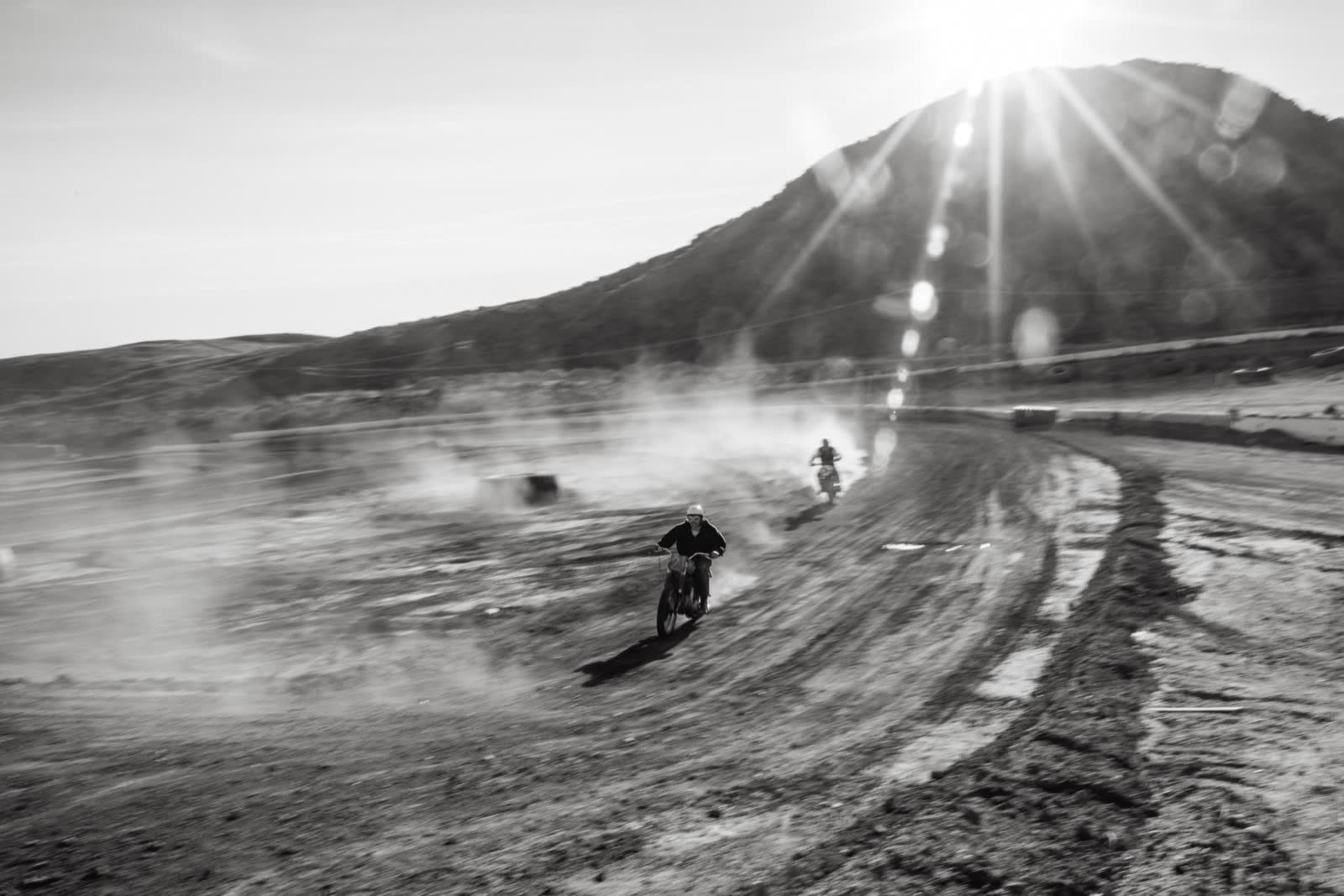
- Dirt and desert: a TR6C, a TR6 Trophy, or a converted pre-unit Trophy. Single Amal, high pipes, geared down. We have a whole separate page about desert sleds; that is on purpose.
- Daily-ride, I-want-vintage-without-the-vintage-tax: a Hinckley-era T100 (2002–2016) is honestly the right answer here. We’ll sell you one and feel good about it.
The most expensive mistake first-time buyers make isn’t buying a rough bike. It’s buying the wrong bike for the riding they want to do.
The walk-around: what to actually look at
Bring a flashlight, a clean rag, a small magnet, and patience. The bike isn’t going anywhere. If a seller tries to rush you off it, that itself is the answer.
Numbers first, everything else second
Before you fire it up, find the engine and frame numbers. On most Triumphs you’re looking at a stamping on the left side of the crankcase, just below the cylinder, and a matching stamping on the steering head of the frame. They should be the same number. If they aren’t, the bike isn’t necessarily junk. Triumphs got mixed and matched for sixty years. But you’re not looking at a “matching numbers” bike, and you should pay accordingly.
Also, write the numbers down and run them. The TR (Triumph Owners) registry, VMCC, and several independent date-coders can tell you what year the engine and frame actually are. We have seen plenty of bikes sold as one year that turned out to be a different year underneath. Sometimes innocently. Sometimes not.
Cold start, and what the first thirty seconds tell you
Ask the seller to leave the bike cold. If you arrive and it’s already warm, that’s a problem. A hot Triumph kicks easier and hides a multitude of sins. Start it cold. Listen to the first thirty seconds.
- Big puff of blue smoke at startup, clearing as it warms: valve guides. Common, not catastrophic, factor it in.
- Steady blue smoke that never clears: rings or bores. That’s an engine rebuild on the horizon. Budget accordingly.
- White steam in the first few minutes: likely just condensation, but if it keeps coming, ask about the head gasket.
- A ticking from the top end that doesn’t settle: tappets out of spec at best, a worn cam follower at worst.
- A clatter from the timing side that gets louder under load: could be the timing-side bush, a known Triumph weak point and an expensive fix on a 650.
Oil: where it is, and where it isn’t
There is a saying about Triumphs: if it isn’t leaking, it’s out. There is some truth to it, but only some. A sorted Triumph is mostly dry. A rough one tells you exactly where it has been hurt by where the oil is.
Look at the underside of the engine and the floor under it. Oil from the rocker box covers is normal-ish and easy. Oil pooling at the bottom of the engine, on the timing cover, around the primary chaincase, or down the back of the gearbox is more work. Crack the dipstick or the oil tank cap and look: clean oil is good, milkshake-looking oil means water is getting in, and the smell of fuel in the oil means a worn carb slide or a sunk float, plus an ongoing fight with fuel diluting your crankcase oil until you fix the carb.
Gearbox feel
On the test ride, the gearbox tells you more about a Triumph’s condition than the engine does. A Triumph box shifts with a deliberate, clean clunk between gears that you can hear and feel through your boot. Three checks on the test ride:
- First to second, under load: it should engage with a positive clunk and stay there. Jumping out of second is a known wear pattern; it gets worse fast.
- Neutral selection from first, at a standstill: it should find cleanly. Hunting for neutral is normal-ish; never finding it is a worn camplate.
- Top gear, hand off the shifter, slight throttle: the gear should not pop out. If it does, walk away or knock the price down by the cost of a gearbox rebuild.
Electrics: Lucas, before you ask
Yes, the Prince of Darkness jokes are deserved. They’re also not the whole story. A vintage Triumph with sorted electrics is a perfectly reliable bike. A vintage Triumph with bad electrics will leave you on the side of the road on a Tuesday. Check in this order:
- Headlight, both filaments. Tail and brake. Turn signals if fitted (many bikes have had them deleted, and that’s fine).
- Horn. If it works, the basics of the wiring loom are probably alive.
- Charging — at a fast idle, the ammeter (or voltmeter, on later bikes) should show a charge. A bike that runs but doesn’t charge will start fine in the seller’s driveway and die in yours within a week.
- Look at the wiring loom itself. Original Lucas cloth-jacket wiring is fine if it’s in good shape. A spider’s nest of automotive splices and wire nuts under the seat is its own kind of red flag.
A lot of bikes have been converted to Boyer or Pazon electronic ignition. That’s usually a positive. It’s the most common fix for points-related cold-start problems. A 12V conversion on a bike that left the factory as 6V is also usually fine. Look for tidy work, soldered joints, and shrink wrap rather than tape.
The frame and the parts you can’t rebuild
Engines can be rebuilt. Frames are harder. Check the steering head bearings on the test ride (a bike that wallows in a slow turn has notched bearings — annoying but cheap), and walk around the frame with the flashlight looking for cracks at the welds around the headstock, the swingarm pivot, and the engine mounts. A cracked frame is the one thing that will turn a bargain into a paperweight.
On a unit bike, also poke around the bottom of the seat tube where it meets the engine plates. That area collects road grime and rusts from the inside out. On an OIF bike (1971+), look for any evidence the frame has been welded near the top tube oil reservoir. We’ve seen them brazed back together. Don’t buy one of those.
Paperwork
In California, a clean title in the seller’s name is non-negotiable. Bill-of-sale-only bikes are a long road through DMV inspections, and a lot of those bikes have stories nobody wants to hear. In other states the rules are looser, but the principle is the same: if the seller can’t produce a title, ask why, and budget the time and money to fix it before you commit.
If the bike has been imported (and a surprising number have, from the UK and Australia), make sure the paperwork is complete. A grey-market bike with no registered import documents is its own headache.
The honest answer to “how much should I spend”
Here is what the market actually looks like in 2026, for a 650 unit Bonneville or TR6 in standard configuration. Numbers slide for other models — a clean pre-unit will be more, a beat-up TR7 less — but the brackets are the same shape.
- Under $6,000: a project. Either it doesn’t run, or it runs but everything around the running engine needs sorting. Buy this if you want a winter rebuild and you’ve done one before.
- $6,000–$10,000: runs and rides, will need work, probably has stories. Most “first vintage Triumph” buyers land here. Budget another $2,000–$4,000 for the things you’ll find in the first six months.
- $10,000–$16,000: sorted, ridable, no immediate work needed. This is what we mean by “a good bike.” Pay the money once, ride for years.
- $16,000 and up: concours, fully restored, or a particularly desirable variant (T120R, early TR6C, OIF Bonneville with the right paperwork). You’re buying a known quantity. Make sure it actually is one.
Pay the money once, ride for years. The bracket where that is true starts around ten thousand dollars and it isn’t coming down.
The temptation is to land in the $6,000–$10,000 bracket and tell yourself you’ll do the work. Some people do. Most people don’t. If you have a heated garage, basic tools, and the patience for it, that bracket is genuinely where the deals live. If you don’t, pay the extra four thousand for a sorted bike. The cheapest vintage Triumph is the one you ride, not the one that lives on a stand for three years.
One more thing
Get a pre-purchase inspection. We do them for $250 in the shop, and we’ll tell you in plain English what we found. So will any other reputable vintage shop in your area. The cost of that inspection is roughly one-tenth of the cheapest thing it can save you from. We have talked plenty of buyers out of bikes. We’ve also told people to buy the slightly more expensive one and not look back. Either way, you ride away knowing what you bought.
Come by the shop when you’re ready. We’ll roll a few twins out, you can sit on them, listen to them run, and we’ll point you at the one that fits the riding you actually want to do.